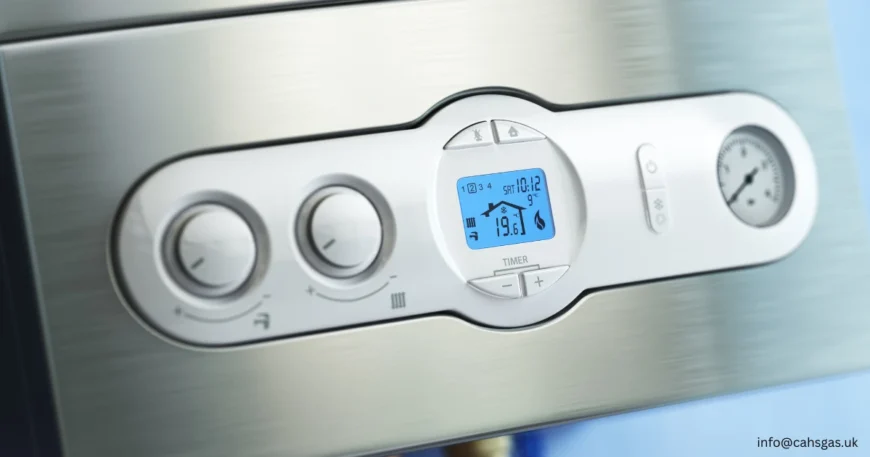
What temperature should my central heating boiler be set at? The answer depends on your boiler type, heating system, and property. For many modern condensing boilers, 55–60°C is a practical starting range for central heating. However, the ideal setting depends on your boiler, radiators, insulation, and heating system. As an experienced local heating company, CAHSGAS helps Midlothian homeowners maintain comfortable, efficient, and safe heating systems.
Finding the Right Temperature for Your Central Heating Boiler
Choosing the right boiler temperature involves more than turning a dial to the highest setting. Your home needs enough heat to stay comfortable, while your boiler should avoid using more fuel than necessary. Older properties, larger rooms, undersized radiators, and poor insulation may all require different settings.
For many Midlothian homes, the best approach is gradual adjustment. Start with a sensible setting, monitor comfort, and change the temperature in small steps. The ideal central heating boiler temperature should keep rooms warm without making the system work harder than needed.
The Recommended Setting for Most Homes
A modern condensing combi boiler with radiators can often start at a recommended boiler flow temperature of around 60°C. If your home remains comfortably warm, you may gradually test a lower setting. Some homes work well around 55°C, particularly during milder weather.
Your room temperature setting is separate. The Energy Saving Trust suggests that most people find 18–21°C comfortable, although individual needs vary.
Why the Ideal Temperature Can Vary
No single number suits every property. A well-insulated modern home may stay comfortable with a lower heating flow temperature, while an older home with greater heat loss may need more heat circulating through the radiators.
Several factors influence the best boiler temperature for central heating:
- Home insulation and draught levels
- Radiator size and system design
- Outdoor temperatures
- Boiler age and efficiency
- Room thermostat settings
- Your preferred indoor temperature
Understanding Your Boiler Temperature Settings
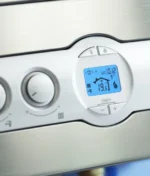
The controls on your domestic boiler can look confusing at first. One setting usually manages heating water, while another may control domestic hot water. Understanding the difference helps you avoid changing the wrong setting.
What Is Boiler Flow Temperature?
The boiler flow temperature is the temperature of water leaving the boiler and travelling through your heating system. As that water passes through radiators, it releases heat and returns to the boiler at a lower temperature. That returning water is known as the boiler return temperature.
For a condensing boiler, lower return temperatures can improve condensing efficiency. The boiler can recover more heat from its exhaust gases when conditions allow. Therefore, lowering the central heating flow temperature may improve heating system efficiency without necessarily making your rooms colder.
Boiler Flow Temperature vs Room Thermostat
The boiler thermostat and room thermostat perform different jobs. Boiler temperature settings control how hot the circulating water becomes. Your room thermostat controls the desired air temperature inside your home.
For example, turning the room thermostat higher won’t make radiators heat faster. Instead, it tells the heating system to run until the room reaches a higher temperature. The boiler flow temperature vs room thermostat distinction is important when troubleshooting slow heating.
Central Heating vs Hot Water Temperature
Your central heating temperature usually refers to water travelling to radiators or underfloor heating. Your hot water temperature, however, relates to water used at taps and showers.
Combi boilers often have separate controls, commonly shown with radiator and tap icons. A system or regular boiler may operate alongside a hot water cylinder, which requires careful temperature management for safety.
Recommended Temperatures for Different Boiler Types
Your boiler design should guide any adjustment. What works for one system may not suit another.
| Boiler Type | Typical Starting Point | Important Consideration |
| Combi boiler | 55–60°C for radiators | Adjust gradually for comfort |
| System boiler | Follow manufacturer guidance | Consider cylinder heating requirements |
| Regular boiler | Follow manufacturer guidance | Protect hot water cylinder safety |
| Underfloor heating | Often lower temperatures | System design determines the correct setting |
Combi Boilers
A combi boiler temperature can usually be adjusted separately for heating and hot water. For radiator heating, 60°C provides a sensible starting point. If your home stays warm, you can test a lower combi boiler flow temperature.
So, what temperature should a combi boiler be set at? There isn’t one universal answer. Citizens Advice suggests trying 60°C for radiators and lowering the setting gradually if your home remains comfortable. Underfloor heating often operates at lower temperatures, although you should follow the manufacturer’s guidance for your system.
System and Regular Boilers
The temperature setting for a system or regular boiler needs more care when the boiler also heats a stored hot water supply. Lowering the boiler flow temperature too far may prevent the cylinder from reaching a safe temperature.
The HSE states that hot water storage should generally remain at 60°C or above as part of Legionella prevention. Always follow your boiler manufacturer’s instructions or seek professional advice before reducing settings on a cylinder-based system.
Choose the right temperature with professional boiler guidance from CAHSGAS.
How to Find the Most Efficient Boiler Temperature
Efficiency isn’t about choosing the lowest possible number. Instead, the goal is finding the lowest setting that still keeps your home comfortably warm.
Why Lower Flow Temperatures Can Improve Efficiency
A condensing boiler operates differently from older systems. When the boiler return temperature is sufficiently low, the appliance can recover additional heat through the condensing process.
Lowering the flow temperature may therefore reduce boiler fuel consumption and improve heating efficiency. However, if rooms take too long to warm or never reach a comfortable temperature, the setting may be too low for your property. Energy Saving Trust recommends finding a temperature that provides adequate warmth while avoiding unnecessarily high settings.
Signs Your Boiler Temperature Is Too High or Too Low
Watch how your home responds after adjusting.
Your setting may be too high if:
- Rooms become uncomfortably warm quickly.
- Radiators feel excessively hot.
- Your boiler is using more energy than expected.
Your setting may be too low if:
- The boiler isn’t heating the house properly.
- Some rooms remain cold.
- The boiler takes too long to heat the house.
- Radiator heating struggles during cold weather.
The most efficient boiler temperature is ultimately the lowest reliable setting that maintains comfort.
How to Adjust Your Boiler Temperature
Before changing any controls, check your boiler manual. Different brands and models use different menus, dials, and symbols.
Changing the Central Heating Flow Temperature
First, identify the heating control. On many combi boilers, the setting marked with a radiator or heating icon controls the central heating flow temperature.
Take a photo of your existing boiler controls before making changes. Then reduce the temperature gradually, usually by around 5°C at a time. Give your home enough time to respond before making another adjustment.
If you’re asking how to lower boiler temperature, don’t reduce it blindly. Monitor comfort, room temperatures, and radiator performance.
Adjusting Hot Water Settings Safely
The boiler hot water temperature should never be confused with the heating setting. For a combi boiler, hot water temperature may be adjusted independently. For cylinder-based systems, the cylinder temperature must also support safe water storage.
Where scalding presents a risk, a thermostatic mixing valve can help manage outlet temperatures while stored water remains hot enough for safety. Never sacrifice safety simply to reduce energy bills.
Winter Boiler Settings for Homes in Midlothian
Cold spells can change your heating needs dramatically. Winter boiler settings that worked during mild autumn weather may not provide enough heat during a particularly cold Midlothian week.
When a Higher Temperature May Be Necessary
During colder weather, your home loses heat faster. An older property or poorly insulated home may need a higher radiator flow temperature setting to maintain comfort.
Rather than immediately turning up your room thermostat, consider whether the heating flow temperature needs a modest increase. Raise the setting gradually until your radiators provide enough heat.
Improving Heating Efficiency During Cold Weather
Good winter boiler settings involve more than the boiler itself. You can also improve heating system efficiency by:
- Keeping radiators clear of furniture.
- Using thermostatic radiator valves sensibly.
- Programming heating around your daily routine.
- Reducing draughts and heat loss.
- Having the boiler serviced regularly.
A lower setting during mild weather and a modest increase during colder periods can offer a practical balance. Summer boiler settings may also allow lower heating temperatures because central heating is rarely required.
Common Boiler Temperature Problems and Safety Concerns
Temperature adjustments shouldn’t replace professional repairs. Persistent heating problems can indicate circulation issues, faulty controls, sludge, or a boiler fault.
What to Do if Your Boiler Overheats
Never ignore a boiler overheating warning, unusual noises, repeated shutdowns, or visible leaks. Switch the appliance off if the manufacturer’s instructions advise it, then contact a qualified engineer.
Don’t remove boiler panels or attempt internal repairs yourself. A heating problem may involve electrical components, pressure issues, pumps, or safety devices.
When to Contact a Gas Safe Engineer
Professional help is sensible when you notice:
- Repeated overheating
- No heat despite correct settings
- Cold radiators or uneven heating
- Boiler error codes
- Unusual smells or noises
- Persistent pressure problems
A qualified Gas Safe engineer can assess your boiler heating settings, system condition, and heating controls. If you smell gas or suspect a gas leak, follow emergency guidance immediately rather than attempting to diagnose the problem yourself.
Get Expert Boiler Advice From CAHSGAS in Midlothian
Choosing the right boiler setting depends on your boiler type, radiators, insulation, and heating controls. CAHSGAS can help Midlothian homeowners find suitable, efficient boiler settings for better comfort and performance.
Professional advice can help you:
- Improve heating efficiency
- Reduce unnecessary energy use
- Identify heating system issues
- Maintain safe boiler operation
Start with a sensible setting and adjust it gradually. If your home still struggles to stay warm, speak to a qualified heating professional.
Conclusion
Knowing “what temperature should my central heating boiler be set at” can help improve comfort while keeping your boiler running efficiently.
- For combi boilers, a central heating flow temperature of around 55–60°C can be a good starting point.
- For system and regular boilers, the hot water cylinder should generally reach at least 60°C for Legionella control. Follow your manufacturer’s guidance for the boiler and cylinder settings.
- If your home stays cold after lowering the flow temperature, increase it gradually until you reach a comfortable level.
CAHSGAS can help Midlothian homeowners find suitable boiler temperature settings for their heating system, comfort, and efficiency.
FAQs
What is the best temperature to set my central heating boiler at?
For most modern combi boilers, 55–60°C offers a good balance of comfort and efficiency.
Cylinder-based systems may need different settings for safe hot water storage.
What are common boiler temperature mistakes?
Setting the flow temperature too high can waste energy and increase heating costs.
Avoid lowering cylinder temperatures without checking the manufacturer’s guidance.
How to adjust boiler temperature?
Use the heating or radiator control to adjust the flow temperature gradually.
Check your boiler manual before changing any settings.
How can I tell if my boiler is overheating?
Warning signs include unusual noises, error codes, repeated shutdowns, or excessive heat.
Switch it off if advised and contact a Gas Safe registered engineer.
Speak with CAHSGAS today for trusted boiler advice in Midlothian.
Recent Posts